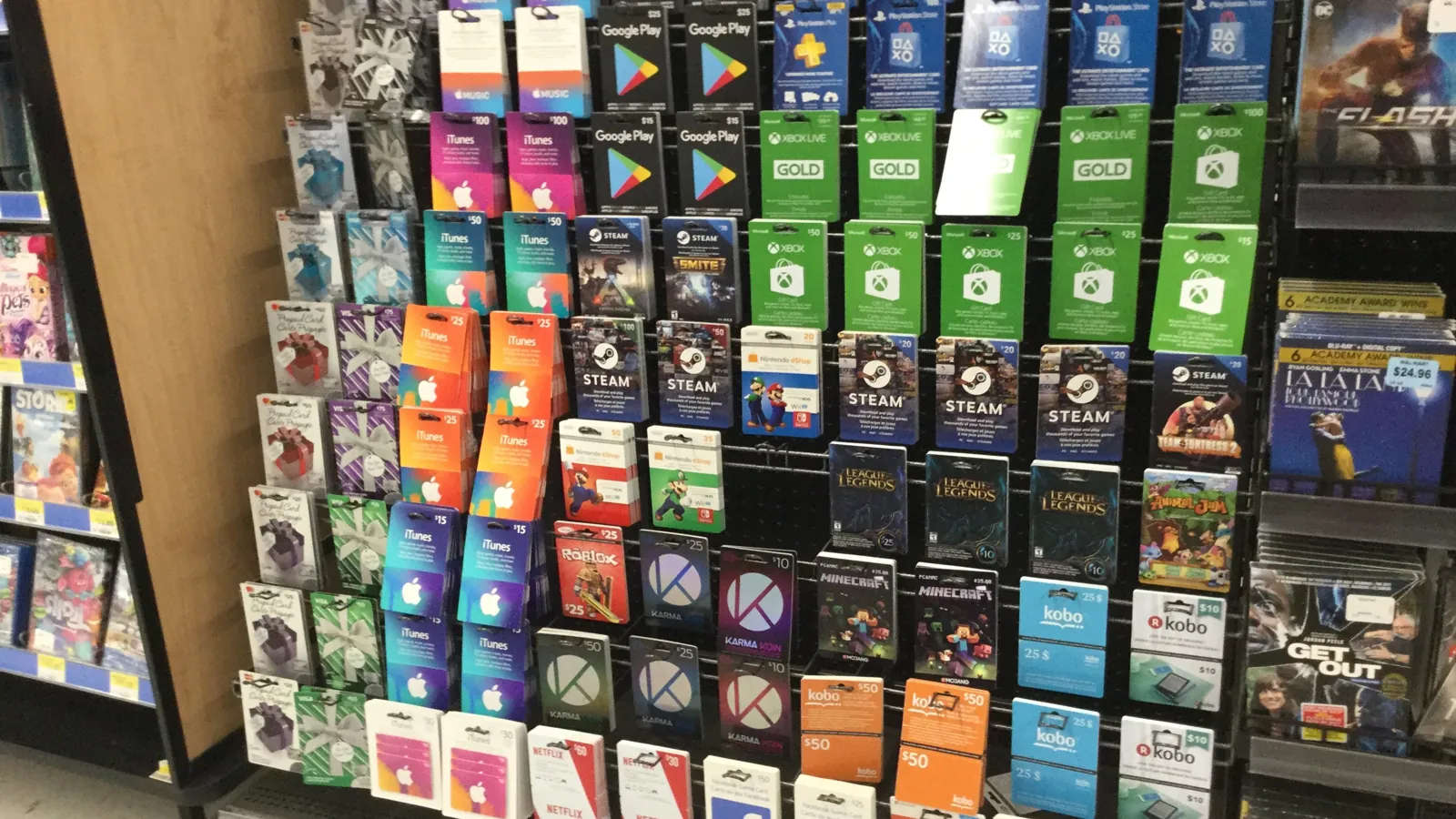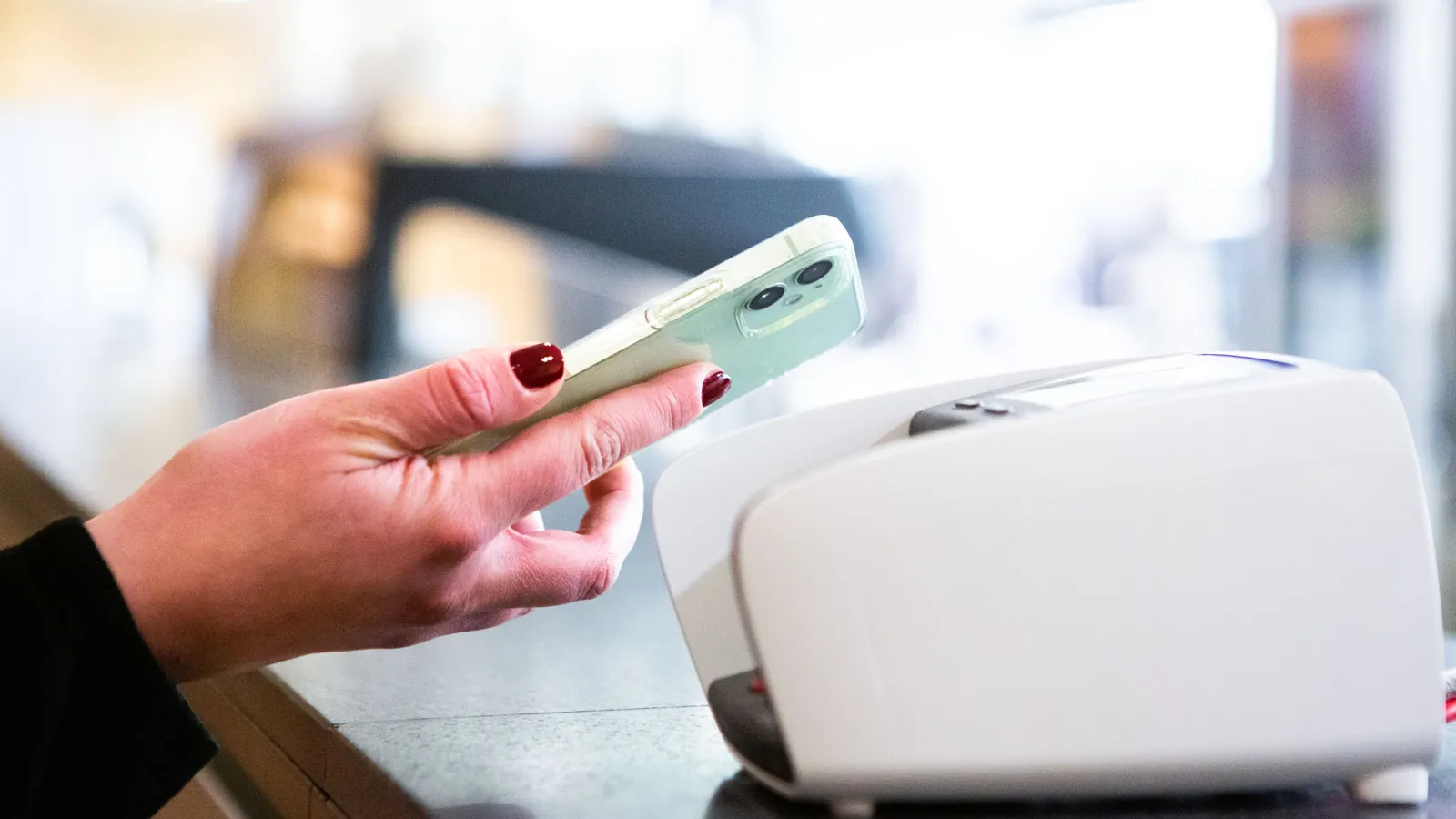
Receiving a gift card is the easy part. Each year a large sum sits unspent on cards that were put in a drawer, half used or forgotten. Almost all of that is avoidable.
When you receive a card
- Check what it is. Store card or prepaid network card, which country, online, in store or both.
- Check the balance through the address or number printed on the card or in the email.
- Look for a date. If the card expires, put a reminder in your calendar a month before.
- Make it hard to lose. Add it to the brand's app or your account, or to your phone's wallet if the brand supports that. Put a physical card in your wallet, not a drawer.
- Thank the sender and say it works. If there is a problem, they have the receipt.
Spending in a shop
Hand the card over or show the barcode on your phone. If the purchase costs more than the balance, tell the cashier you want to use the card first and pay the rest another way. This is routine for store cards.
Prepaid network cards need one extra step. Tills treat them like a debit card and may decline if the total is more than the balance. Know the exact balance and ask the cashier to charge that amount to the card, then pay the remainder separately.
Spending online
Enter the card number and PIN in the gift card or promo field at checkout. Some sites ask you to add the card to your account first. A prepaid network card is entered like a bank card, and usually has to be registered with your postcode on the issuer's site beforehand so the address check passes.
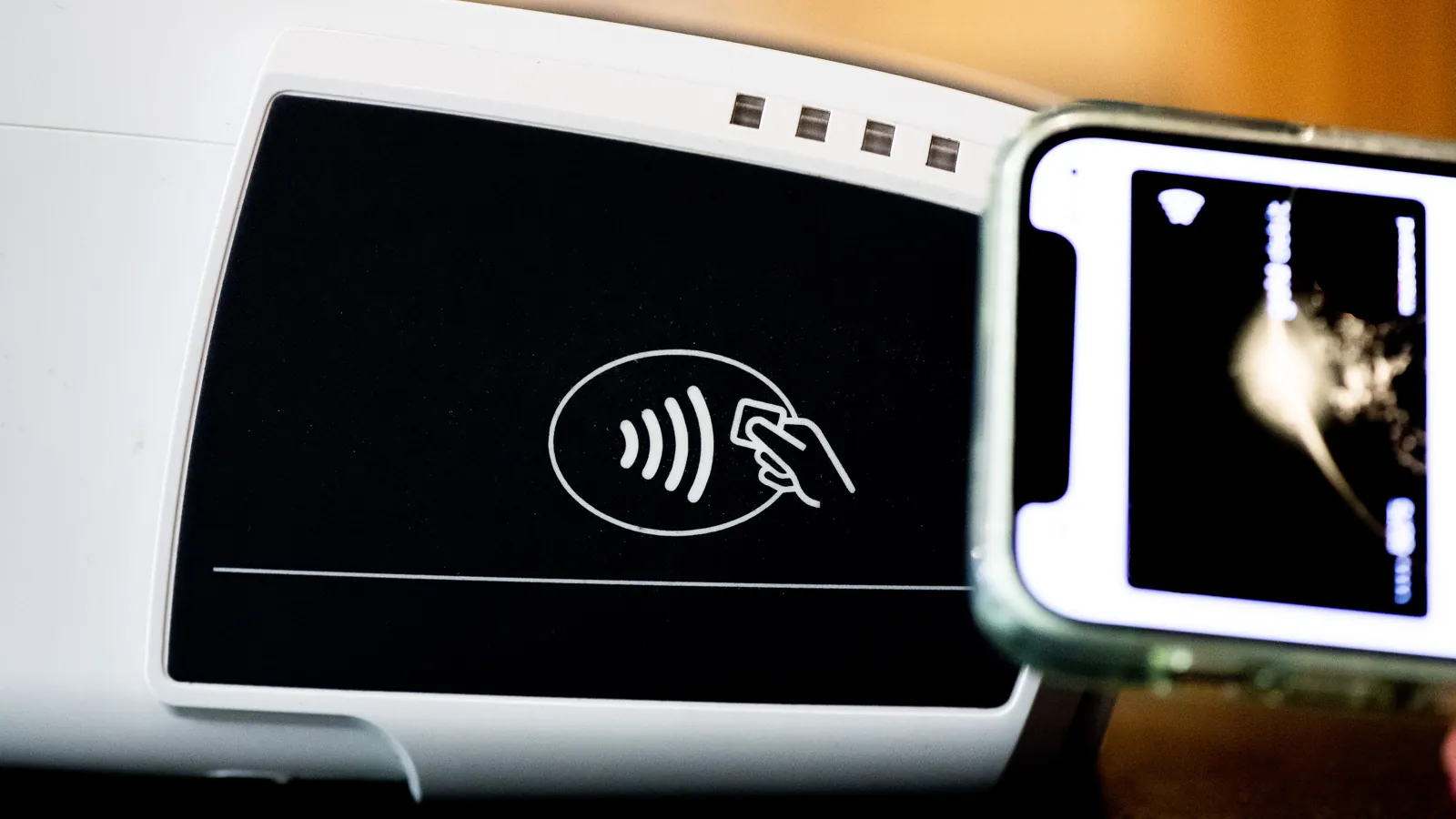
Split payments are routine: the card covers what it can and another method pays the rest. Photo: European Commission, CC BY 4.0, via Wikimedia Commons.
The last few dollars
A balance of $2.37 is the classic way a card gets abandoned. Ways to use it up:
- Split the payment. Use the card for its exact balance and pay the rest another way.
- Add it to your account balance with retailers that pool gift card credit, so small amounts combine with the next card you receive.
- Top up a coffee or app balance where the brand allows gift cards to be merged.
- Ask for cash. A few US states require retailers to pay out small remaining balances in cash on request. It costs nothing to ask.
- Put it toward something you were buying anyway at that shop.
Returns and refunds
If you return something bought with a gift card, the refund normally goes back onto a gift card, sometimes the original one. Keep the card until the returns period has passed. If you have thrown it away, the shop can usually issue a new one with the receipt.
A card you will not use
Not every card suits the person who receives it. Sensible options, in rough order of safety:
- Regift it. A card that has not been added to an account can be passed on. Check the balance and any expiry first.
- Use it for someone else's present. Buy a gift at that shop for the next birthday on your list.
- Buy everyday things. A general retailer or grocery card covers household basics.
- Donate it. Many charities, schools and shelters accept gift cards, and some charities accept partly used ones.
- Swap with a friend or relative for cash or a card you prefer.
- Sell it through an established exchange, accepting that you will receive less than face value and that some buyers are fraudsters. Never send a code before payment has cleared.
If a card is lost or stolen
Contact the issuer with the card number or the proof of purchase. Many can cancel the old card and issue a new one with the remaining balance, sometimes for a fee, provided you can show it was yours. This is the reason to keep a photo or the email. Without a number or receipt, a lost card is usually simply lost.
If the shop is closing
Spend the card promptly when a retailer announces it is in difficulty. Companies in insolvency sometimes stop accepting gift cards at short notice, and cardholders rank low among those owed money.
Keeping track of several cards
- Keep them together in one part of your wallet.
- Add each to its brand's app where possible.
- Keep a simple note listing brand, balance and any expiry.
- Before a big shopping trip or the holidays, check the list first.
Sharing a card
A card's balance can be used by anyone holding the number, so a family can share one. Agree who is using it, and add it to a single account to avoid two people trying to spend the same balance.
For the rules that protect gift card balances, see how gift cards work. For keeping codes away from fraudsters, see keeping gift cards safe.
Questions readers ask
Can I move the balance from one gift card to another?
Some brands let you merge cards in their app or account. Otherwise, no.
Can I use two gift cards in one purchase?
In shops, yes, usually. Online, many sites accept several cards or let you load them all into your account balance first.
My card was declined but has money on it. Why?
For prepaid network cards, the commonest cause is a total higher than the balance, or the card not being registered for online use. For store cards, it may be the wrong country or an item the card cannot buy, such as another gift card.
Do I have to pay tax on a gift card I was given?
Not as a personal present. Cards given by an employer are often treated as pay.